


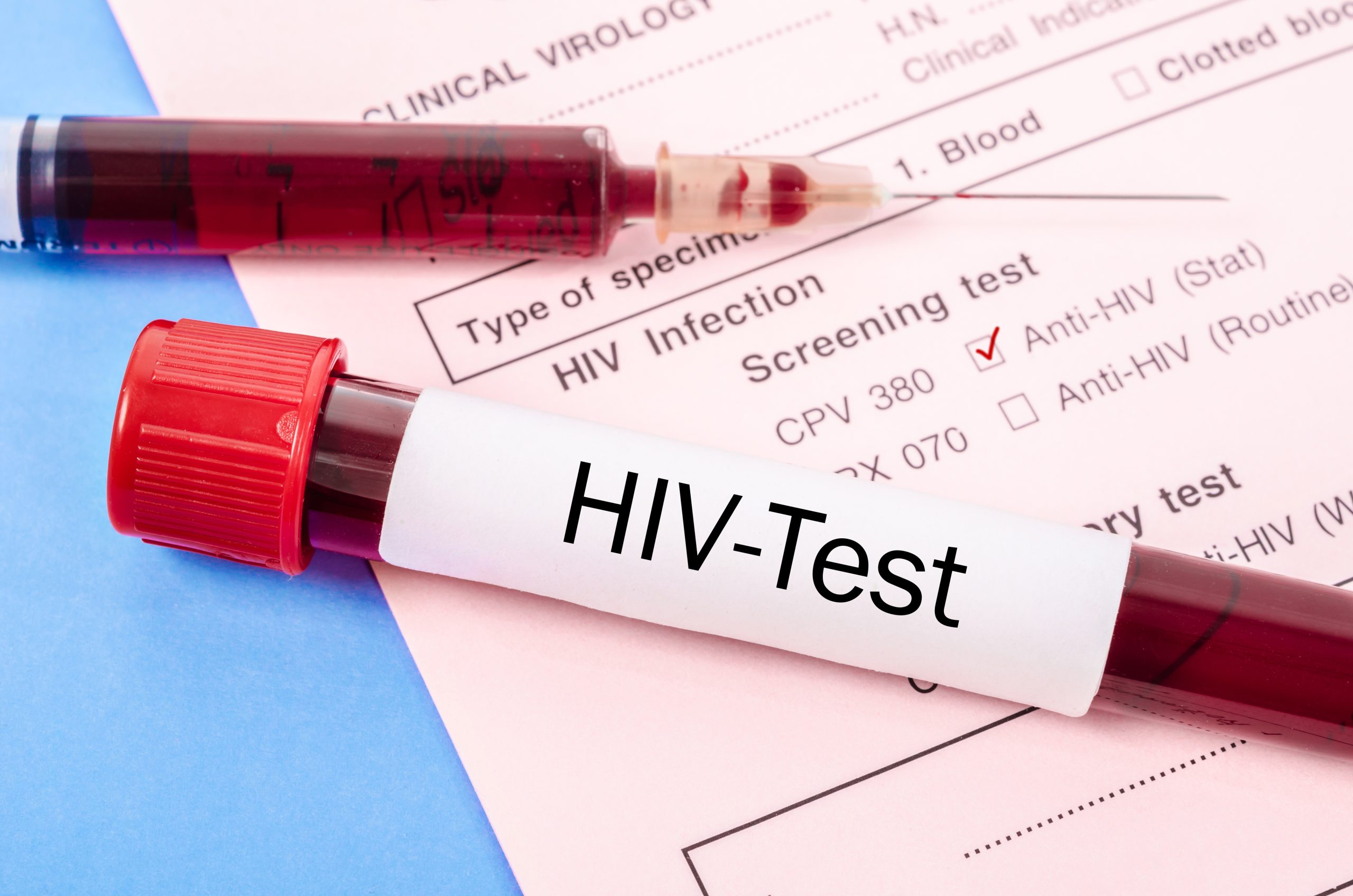
We understand that navigating healthcare, especially concerning sensitive topics like sexually transmitted diseases (STDs), can be daunting. When facing a potential STD diagnosis, knowing your treatment options is the first crucial step towards regaining your health and peace of mind. In Kuala Lumpur, a diverse and modern metropolis, we are fortunate to have a range of accessible and effective STD treatment facilities. Whether you are a resident, an expatriate, or a traveler, this guide aims to illuminate the pathways available to you for diagnosis and treatment, empowering you to make informed decisions.
The healthcare system in Kuala Lumpur is robust, offering both public and private options for STD treatment. Public health clinics, managed by the Ministry of Health, provide a foundational level of care, often emphasizing affordability and accessibility. These clinics are a vital resource for many, offering screening, diagnosis, and treatment for a wide spectrum of STDs. Private clinics and hospitals, on the other hand, often boast more advanced facilities, a wider range of specialists, and potentially shorter waiting times. The choice between public and private often hinges on factors such as your insurance coverage, preferred level of privacy, and the urgency of your needs. It’s important to remember that regardless of the facility chosen, the primary goal remains the same: accurate diagnosis and effective treatment to prevent complications and onward transmission. We are all invested in our well-being, and seeking timely medical attention is a cornerstone of that.
Public Health Clinics: The Foundation of Accessible Care
The Ministry of Health (MOH) operates numerous public health clinics across Kuala Lumpur. These clinics are strategically located to serve the general population and are often the first port of call for many individuals seeking STD testing and treatment. They are known for their affordability, with services often heavily subsidized or free for Malaysian citizens.
Services Offered at MOH Clinics
- Confidential Testing: When you visit an MOH clinic for STD concerns, confidentiality is paramount. They offer discreet testing for common STDs.
- Diagnosis and Treatment: If a positive result is returned, the clinic will provide appropriate medical treatment. This may include antibiotics, antiviral medications, or other therapeutic interventions depending on the specific STD.
- Partner Notification and Tracing: A crucial aspect of STD control is ensuring that sexual partners of infected individuals are also tested and treated. MOH clinics often offer assistance with confidential partner notification.
- Counseling and Education: Beyond medical treatment, these clinics provide valuable counseling and educational resources on STD prevention, safe sex practices, and managing the emotional impact of an STD diagnosis.
Navigating the Public Healthcare System
While public clinics offer excellent value, it’s good to be aware of how they operate. You might encounter queues, and the appointment system can sometimes require flexibility. However, for essential services, they are an invaluable resource.
Private Healthcare Providers: Enhanced Amenities and Specialized Care
Kuala Lumpur’s private healthcare sector is world-class, with numerous hospitals and specialized clinics offering a high standard of STD diagnosis and treatment. These facilities typically provide greater convenience, personalized attention, and access to a broader range of diagnostic tools and specialist expertise.
Types of Private Facilities
- General Hospitals: Most major private hospitals in Kuala Lumpur have well-equipped outpatient departments and infectious disease units capable of handling STD consultations and treatments.
- Specialized Clinics: You will also find dedicated private clinics focusing on sexual health and dermatology, which often have a deep understanding of STDs and their management.
- International Clinics: For expatriates or those seeking services in multiple languages, several international clinics cater to a diverse client base.
Benefits of Private Sector Treatment
- Shorter Waiting Times: Typically, private facilities offer more flexible appointment scheduling and shorter wait times compared to public clinics.
- Advanced Diagnostic Technology: Private centers often invest in the latest diagnostic equipment, which can lead to faster and more precise test results.
- Specialist Referrals: If your STD requires specialized management, private facilities allow for seamless referrals to oncologists, gynecologists, urologists, or dermatologists, depending on the condition.
- Comfort and Privacy: Private clinics often emphasize a more comfortable and private healthcare environment for their patients.
For those seeking information on STD treatment in Kuala Lumpur, a valuable resource can be found in the article provided by Chye Clinic. This clinic offers comprehensive services and insights into the management and treatment of sexually transmitted diseases, ensuring patients receive the care they need. To learn more about their approach and services, you can visit their website at Chye Clinic.
Common STDs and Their Treatment Modalities
A variety of STDs exist, and the treatment approach is highly dependent on the specific pathogen involved. Understanding these common infections and their corresponding treatments is vital for informed decision-making. We are not aiming to scare, but to inform. Knowledge is our shield.
Bacterial STDs: Often Treatable with Antibiotics
Bacterial STDs are generally curable with appropriate antibiotic therapy. However, failure to treat can lead to serious long-term health consequences.
Chlamydia
- Diagnosis: Typically diagnosed through urine tests or swab samples.
- Treatment: A course of antibiotics, usually a single dose of azithromycin or a seven-day course of doxycycline, is highly effective. It is crucial that sexual partners are also treated to prevent reinfection.
Gonorrhea
- Diagnosis: Diagnosed via urine tests or swab samples from affected areas.
- Treatment: While historically treated with a single antibiotic injection, increasing antibiotic resistance necessitates careful selection of medication. Two antibiotics are often prescribed concurrently, typically an injection of ceftriaxone and an oral dose of azithromycin. Prompt treatment is essential.
Syphilis
- Diagnosis: Diagnosed through blood tests.
- Treatment: Penicillin G administered via injection is the primary treatment. The dosage and duration depend on the stage of syphilis. Early stages are curable, but later stages can cause irreversible damage if left untreated.
Viral STDs: Management and Symptom Control
Viral STDs are often not curable in the same way bacterial infections are, but they can be effectively managed with antiviral medications, significantly reducing symptoms and transmission risks.
Herpes Simplex Virus (HSV) – Genital Herpes
- Diagnosis: Diagnosed through visual inspection of sores, viral culture from a lesion, or blood tests.
- Treatment: Antiviral medications such as acyclovir, valacyclovir, or famciclovir can help manage outbreaks by reducing their severity and duration. They do not cure the infection, but they can suppress viral shedding and minimize the frequency of recurrences.
Human Immunodeficiency Virus (HIV)
- Diagnosis: Diagnosed through blood tests (antibody tests, antigen/antibody tests, or nucleic acid tests). Early detection is critical.
- Treatment: HIV is managed with Antiretroviral Therapy (ART). ART involves a combination of medications that suppress the virus, helping individuals with HIV live long and healthy lives and preventing transmission to others. This is not a cure, but it is a highly effective management strategy.
Human Papillomavirus (HPV) – Genital Warts
- Diagnosis: Typically diagnosed through visual examination and sometimes through HPV DNA testing.
- Treatment: While there is no cure for HPV itself, treatments are available for the warts it causes. These can include topical medications, cryotherapy (freezing), electrocautery (burning), or surgical removal. Importantly, the HPV vaccine can prevent infection with the most common high-risk types of HPV.
Parasitic and Other STDs
Certain other types of infections can also be transmitted sexually.
Trichomoniasis
- Diagnosis: Diagnosed through microscopic examination of vaginal discharge or urine samples.
- Treatment: This is a curable infection treated with oral metronidazole or tinidazole. Both partners must be treated to prevent reinfection.
Pubic Lice and Scabies
- Diagnosis: Diagnosed through visual examination of the affected areas.
- Treatment: Medicated shampoos, lotions, or creams are used to kill the parasites. Treatment of all affected individuals in a household and thorough cleaning of bedding and clothing are essential.
Seeking Professional Help: Steps to Take
When you suspect you might have an STD, taking proactive steps is crucial. The journey from suspicion to resolution begins with knowing where to turn and what to expect.
Recognizing Symptoms and When to Seek Testing
Symptoms of STDs can vary widely and may not always be apparent. Some common signs include:
- Unusual discharge from the penis or vagina
- Sores, bumps, or rash on or around the genitals, anus, or mouth
- Pain or burning during urination
- Itching or irritation in the genital area
- Pain during sexual intercourse
- Lower abdominal pain
However, it’s critical to remember that many STDs are asymptomatic, meaning they show no signs or symptoms. Therefore, if you have had unprotected sex, or if you have had multiple partners, regular testing is recommended as a precautionary measure, even if you feel perfectly healthy. Think of it as a routine check-up for your reproductive health.
Choosing the Right Healthcare Provider
As we’ve discussed, Kuala Lumpur offers a spectrum of healthcare options.
Making an Informed Choice
- Consider your insurance coverage: Your health insurance plan will likely dictate which facilities are most financially viable for you.
- Evaluate your privacy needs: If you prefer a highly discrete environment, a private clinic might be more suitable.
- Assess the urgency of your situation: If you are experiencing severe symptoms, a private facility might offer faster access to care.
- Research reputable clinics and hospitals: Online reviews, personal recommendations, and professional directories can help you identify trusted providers.
The Consultation Process
When you visit a clinic or hospital for STD concerns, expect a comprehensive approach.
What to Expect During Your Appointment
- Medical History: The healthcare provider will ask about your sexual history (number of partners, types of sexual contact, condom usage), any previous STD diagnoses, and your current symptoms. This information is vital for accurate diagnosis and is kept strictly confidential.
- Physical Examination: A physical examination may be conducted to look for any visible signs of infection. This might involve examining your genitals, rectum, or throat, depending on your symptoms and sexual history.
- Diagnostic Testing: Based on your symptoms and history, the provider will order specific tests. These can include urine tests, blood tests, or swab samples from any affected areas. It’s important to be open and honest with the healthcare professional to ensure they can order the most appropriate tests for you.
- Discussion of Results and Treatment Plan: Once your test results are available, the provider will discuss them with you in detail. They will explain your diagnosis, the recommended treatment plan, potential side effects of medications, and what to expect during recovery. They will also provide guidance on preventing future infections and the importance of partner notification.
For confidential and professional care, visit our STD clinic in KL & Selangor today.
The Importance of Partner Notification and Follow-Up Care
Treating an STD goes beyond just your individual health; it’s a communal responsibility to prevent further spread.
Why Partner Notification is Crucial
When you are diagnosed with an STD, it is imperative to inform your recent sexual partners. This ensures they can get tested and treated, preventing them from experiencing complications and also stopping the cycle of transmission. Many clinics offer confidential partner notification services to assist with this process, making it less daunting for you.
Confidentiality and Support
- Partner Notification Services: Many healthcare providers in Kuala Lumpur offer a service where they can contact your partners on your behalf, informing them of potential exposure without revealing your identity. This de-personalizes the notification process and encourages cooperation.
- Anonymous Testing for Partners: Some clinics may offer anonymous testing for partners, further safeguarding your privacy.
Follow-Up Appointments and Management
For certain STDs, follow-up appointments are essential to ensure the treatment has been effective and to monitor any long-term implications.
Ensuring Complete Recovery
- Test of Cure: For some infections, a follow-up test (test of cure) may be recommended to confirm that the pathogen has been completely eradicated.
- Monitoring Chronic Conditions: For viral STDs like HIV or Herpes, follow-up appointments are crucial for ongoing management, adjusting medication as needed, and monitoring the individual’s overall health.
- Adherence to Treatment: Completing the full course of prescribed medication is vital, even if your symptoms disappear. Stopping treatment prematurely can lead to the infection returning or developing resistance to the medication. We are building a fortress of health, and every brick (dose) counts.
For those seeking information on STD treatment in Kuala Lumpur, a valuable resource can be found in a related article that discusses various services offered by local clinics. This article provides insights into the comprehensive care available for sexually transmitted infections, including testing and treatment options. You can explore more about these services by visiting this link, which details the approaches taken by healthcare professionals to ensure effective management of STDs in the region.
Safe Sex Practices: The Cornerstone of Prevention
The consistent and correct use of barrier methods is a highly effective way to reduce the risk of STD transmission.
Condoms and Dental Dams
- Male Condoms: When used correctly with every sexual encounter, male condoms significantly reduce the risk of transmitting most STDs. It’s important to use them consistently and correctly, checking for expiry dates and proper storage.
- Female Condoms: Offer an alternative barrier method for those who prefer them.
- Dental Dams: These latex squares can be used during oral sex to help prevent the transmission of STDs.
Understanding Different Forms of Transmission
It’s important to remember that STDs can be transmitted through vaginal, anal, and oral sex, as well as through skin-to-skin contact in some cases (like herpes and HPV). Being aware of these transmission routes informs our preventive practices.
Regular STD Testing: A Proactive Approach to Health
As highlighted earlier, regular STD testing is a cornerstone of proactive sexual health management.
Why Routine Screening Matters
- Early Detection: Many STDs have no symptoms, making regular testing the only way to know for sure if you are infected. Early detection leads to timely treatment and prevents potential complications.
- Peace of Mind: Knowing your STD status can provide significant peace of mind and allow you to make informed decisions about your sexual health.
- Preventing Transmission: By getting tested regularly, you can identify infections early and take steps to prevent spreading them to others. We are all interconnected, and our health choices ripple outwards.
Vaccination: Protecting Against HPV and Hepatitis B
Certain STDs can be prevented through vaccination, offering a powerful shield against infection.
The HPV Vaccine
- Protection Against High-Risk Strains: The HPV vaccine protects against the strains of HPV that are most likely to cause cervical cancer, anal cancer, and genital warts. It is recommended for both males and females, ideally before they become sexually active.
Hepatitis B Vaccination
- Preventing a Liver Infection: Hepatitis B is a viral infection that can be transmitted sexually. The Hepatitis B vaccine is highly effective in preventing this potentially serious liver disease.
By understanding the available treatment options in Kuala Lumpur and embracing preventive strategies, we can all take control of our sexual health and well-being. Remember, seeking medical advice is a sign of strength, not weakness. Our journey towards a healthier life begins with informed choices and proactive care.
FAQs
What types of sexually transmitted diseases (STDs) are commonly treated in Kuala Lumpur?
Common STDs treated in Kuala Lumpur include chlamydia, gonorrhea, syphilis, herpes, human papillomavirus (HPV), and HIV/AIDS. Clinics in the city offer diagnosis and treatment for these infections.
Where can I get confidential STD testing and treatment in Kuala Lumpur?
Confidential STD testing and treatment are available at government hospitals, private clinics, and specialized sexual health centers throughout Kuala Lumpur. Many facilities ensure patient privacy and provide counseling services.
What treatments are available for STDs in Kuala Lumpur?
Treatment depends on the specific STD but generally includes antibiotics for bacterial infections like chlamydia and gonorrhea, antiviral medications for viral infections such as herpes and HIV, and other supportive therapies. Healthcare providers in KL follow international treatment guidelines.
Is it necessary to inform sexual partners if diagnosed with an STD in Kuala Lumpur?
Yes, it is important to inform recent sexual partners if you are diagnosed with an STD to prevent further transmission and encourage them to get tested and treated if necessary. Healthcare providers can offer guidance on how to approach this conversation.
Are STD treatments in Kuala Lumpur covered by health insurance?
Coverage for STD treatment varies depending on the health insurance plan. Some private insurance policies may cover testing and treatment, while government clinics often provide affordable or subsidized services. It is advisable to check with your insurance provider or healthcare facility for specific details.
