


Chlamydia Treatment & Testing
Chlamydia : Symptoms, Treatment, and Where to Get Help
Chlamydia is a super common sexually transmitted infection (STI). It’s caused by a type of bacteria called Chlamydia trachomatis. The tricky thing about chlamydia is that a lot of people who have it don’t actually show any symptoms. This means they unknowingly carry the infection and can pass it on. But don’t worry too much – the good news is that it’s usually pretty easy to treat with antibiotics.
So, let’s break down what chlamydia actually is and how it works. It’s not a virus, it’s a bacterial infection, which is why antibiotics are effective.
How Common is it Really?
It’s more common than you might think. We’re talking millions of new infections each year worldwide. Because so many people don’t have symptoms, it often flies under the radar, contributing to its widespread nature. It often affects younger, sexually active individuals the most, but anyone who is sexually active can get it.
Chlamydia is a common sexually transmitted infection that can lead to serious health issues if left untreated. For more information on this topic, you can read a related article that discusses the symptoms, causes, and treatment options for chlamydia. To learn more, visit this link.
How Chlamydia Spreads
Understanding how chlamydia gets from one person to another is really important for preventing it. It’s not just about vaginal sex; there are other ways it can be transmitted.
Sexual Contact
This is the primary way chlamydia spreads. It’s passed on through:
Vaginal Sex
This is probably the most common route. If an infected person engages in vaginal intercourse with an uninfected person, the bacteria can be transferred.
Anal Sex
Just like with vaginal sex, anal sex can also transmit the chlamydia bacteria. This can lead to a rectal infection, which again, often has no symptoms.
Oral Sex
While less common for transmission to the throat, it is definitely possible for chlamydia to be passed through oral sex. If an infected partner’s genitals come into contact with an uninfected partner’s mouth, or vice-versa, the bacteria can be transferred.

Symptoms and Where Chlamydia Can Affect You
Here’s where it gets a bit tricky: a lot of people don’t have symptoms. But when they do, or if the infection isn’t treated, it can affect different parts of your body.
The Silent Infection: Often No Symptoms
This is the most critical piece of information about chlamydia. Around 70% of women and a significant percentage of men with chlamydia don’t experience any noticeable symptoms. This is why regular testing is so important, even if you feel fine.
Why No Symptoms?
The bacteria can reside in the body without causing immediate irritation or discomfort that would signal an infection. It’s a stealthy invader.
Where Chlamydia Can Live in Your Body
Chlamydia isn’t just limited to one area; it can infect several different parts of your body, depending on the type of sexual contact.
Genital Tract
This is the most common site of infection.
For Women
If symptoms do appear, they might include unusual vaginal discharge, burning during urination, pain during sex, or lower abdominal pain.
For Men
Symptoms, if present, can include discharge from the penis, burning during urination, or pain and swelling in one or both testicles (though this is less common).
Rectum
An infection in the rectum can occur from anal sex.
Symptoms of Rectal Chlamydia
Symptoms might include rectal pain, discharge, or bleeding. However, rectal chlamydia is also often asymptomatic.
Throat
This can happen from oral sex.
Symptoms of Throat Chlamydia
Infections in the throat are almost always asymptomatic. If symptoms do occur, they might be very mild, perhaps a sore throat, but this is rare.
Eyes
This usually happens when infected genital fluids come into contact with the eyes.
Symptoms of Eye Chlamydia
This can cause conjunctivitis, which is an inflammation of the lining of the eye. Symptoms include redness, irritation, and discharge. This is sometimes called “pink eye.” In rare cases, it can also occur in newborns who are exposed during birth.
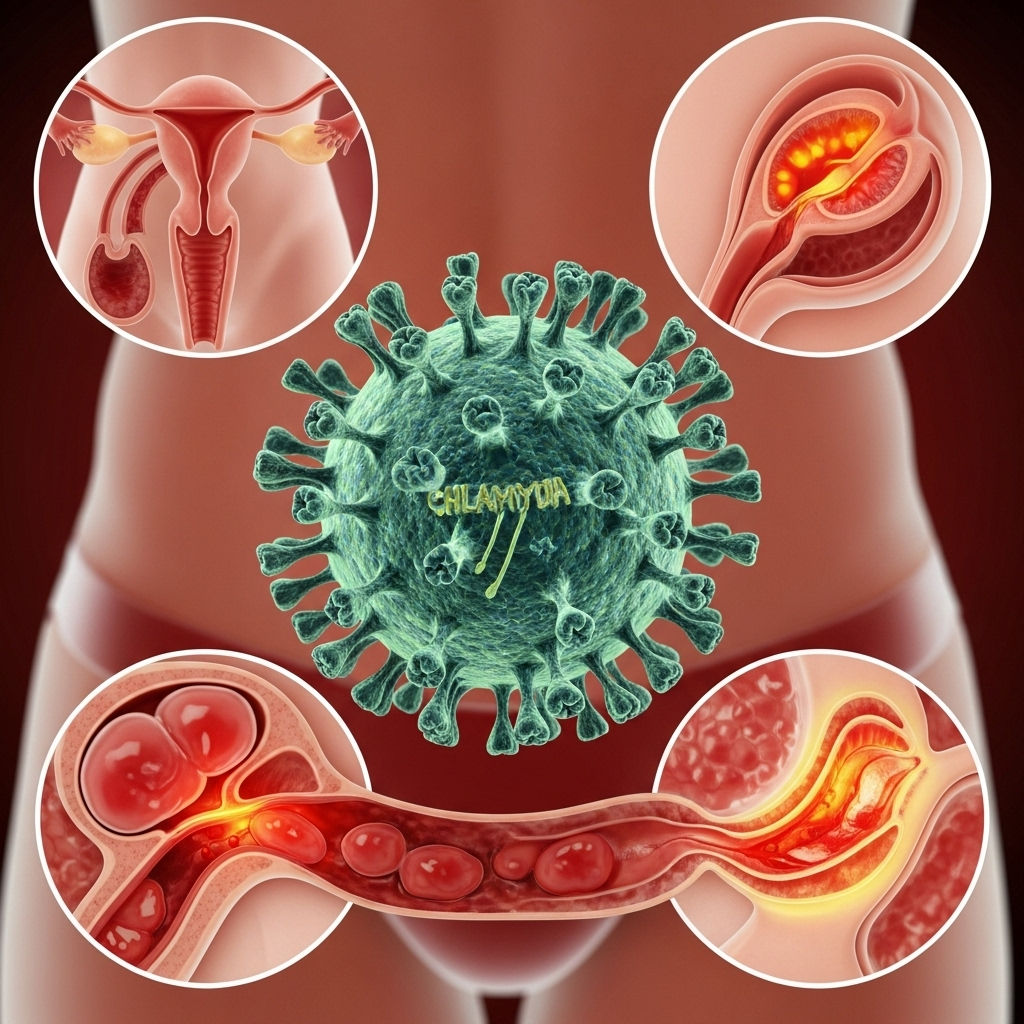
Diagnosis and Treatment: Getting Tested and Getting Better
The good news is that chlamydia is usually quite straightforward to diagnose and, crucially, to cure.
How Chlamydia is Diagnosed
Because symptoms are often absent, testing is the key.
STI Testing
This is the most reliable way to find out if you have chlamydia. It’s usually done through simple, non-invasive tests.
Urine Test
For most people, a urine sample is all that’s needed. This test detects the bacteria in your urine.
Swab Test
Sometimes, especially if there’s a specific concern about a different site of infection (like the rectum, throat, or cervix), a doctor might take a swab. For women, a cervical swab might be taken during a pelvic exam. For men, a swab might be taken from the urethra. Rectal or throat swabs might be taken if you’ve had anal or oral sex, respectively.
Chlamydia Treatment: Usually Simple and Effective
Once diagnosed, treatment is generally very effective.
Antibiotics
Chlamydia is a bacterial infection, so antibiotics are the go-to treatment.
Single-Dose or Course of Pills
Often, it’s a single dose of an antibiotic (like azithromycin) or a course of pills taken over about a week (like doxycycline). It’s really important to take all the medication as prescribed, even if you start feeling better sooner. Stopping early can lead to the infection coming back or becoming resistant to the antibiotic.
What to Do After Treatment
It’s crucial to abstain from sexual activity for at least seven days after a single-dose treatment, or until you’ve completed your entire course of medication. This helps prevent reinfection and passing it on to others. Your doctor might also recommend a retest a few months later to ensure the infection is completely gone.
Treating Partners
If you’re diagnosed with chlamydia, it’s really important that your sexual partners also get tested and treated, even if they don’t have symptoms. This is called “partner notification and treatment” and it’s essential to prevent reinfection and stop the spread of the STI.
Chlamydia is a common sexually transmitted infection that can lead to serious health issues if left untreated. For those looking to understand more about this condition and its implications, you might find it helpful to read a related article on the topic. This informative piece provides insights into symptoms, diagnosis, and treatment options. To learn more, you can visit this link for additional resources and information.
Why Untreated Chlamydia is a Big Deal: Potential Complications
While it’s easily treated, ignoring chlamydia can lead to some pretty serious health problems, especially for women. This is a big part of why early detection and treatment are so important.
For Women
The complications for women can be particularly severe, sometimes impacting future fertility.
Pelvic Inflammatory Disease (PID)
This is one of the most common and serious complications. PID is an infection of the uterus, fallopian tubes, or ovaries.
Signs and Symptoms of PID
Symptoms can include chronic pelvic pain, fever, unusual vaginal discharge, and pain during sex.
Impact on Fertility
PID can cause scarring in the fallopian tubes, which can block eggs from traveling from the ovaries to the uterus. This can lead to difficulty getting pregnant or even infertility.
Ectopic Pregnancy
This is a life-threatening condition where a fertilized egg implants outside the uterus, usually in a fallopian tube.
How Untreated Chlamydia Contributes
The scarring from PID caused by chlamydia can increase the risk of an ectopic pregnancy. If the egg implants in a scarred tube, it won’t be able to grow properly and can rupture the tube, leading to internal bleeding and requiring emergency medical attention.
For Men
While the complications for men might not impact fertility as often, they can still be painful and serious.
Epididymitis
This is an inflammation of the epididymis, the coiled tube located at the back of the testicle that stores and carries sperm.
Symptoms of Epididymitis
Symptoms include pain and swelling in the testicle, sometimes accompanied by fever. If left untreated, it can lead to complications such as chronic pain or, in rare cases, infertility.
Where to get Chlamydia Treatment in Kuala Lumpur
- Sexual Health Clinics/STI Clinics: These are specialist clinics where staff are experienced in STI testing, diagnosis, and treatment. They often offer discreet services and may have walk-in options.
- GP/Primary Care Doctor: Your family doctor can also order tests for Chlamydia.
bacterium Neisseria gonorrhoeae, which can lead to serious health complications if left untreated. For those seeking treatment, it is essential to consult a healthcare professional who can provide the necessary antibiotics and guidance.
FAQs
What is chlamydia?
Chlamydia is a common sexually transmitted infection (STI) caused by the bacterium Chlamydia trachomatis. It can infect both men and women and can cause serious, permanent damage to a woman’s reproductive system.
How is chlamydia transmitted?
Chlamydia is primarily spread through sexual contact, including vaginal, anal, and oral sex. It can also be passed from an infected mother to her baby during childbirth.
What are the symptoms of chlamydia?
Many people with chlamydia do not experience any symptoms, which is why it is often called a “silent” infection. When symptoms do occur, they can include abnormal vaginal discharge, burning sensation during urination, and pelvic pain.
How is chlamydia diagnosed?
Chlamydia can be diagnosed through a simple urine test or a swab of the infected area. It is important to get tested regularly, especially if you are sexually active or have multiple partners.
How is chlamydia treated?
Chlamydia can be easily treated and cured with antibiotics. It is important to complete the full course of medication as prescribed by a healthcare provider to ensure the infection is completely cleared. It is also important to notify all recent sexual partners so they can be tested and treated as well.
Follow DR CHAN Instagram
Chye Clinic has been serving the community for more than 40 years and serves more than 30,000 patients locally and internationally each year. It is staffed by registered Family Medicine Specialists and has received excellent reviews.
Chlamydia Treatment, Gonorrhoea Treatment & Genital Herpes Treatment in Kuala Lumpur, STD clinic in Kuala Lumpur
Location
Chye Clinic, 48 Jalan Lang Kuning, 52100 Kepong Kuala Lumpur
