 Chye Clinic
Travel Sexual Health Guide: PrEP, PEP and Doxy-PEP Before, During and After Your Trip
Travelling should be enjoyable. Planning ahead can help you reduce your risk of HIV and other sexually transmitted infections (STIs).
This guide explains how to use your prescribed prevention medicines, what to do after a possible exposure, and when to seek medical care.
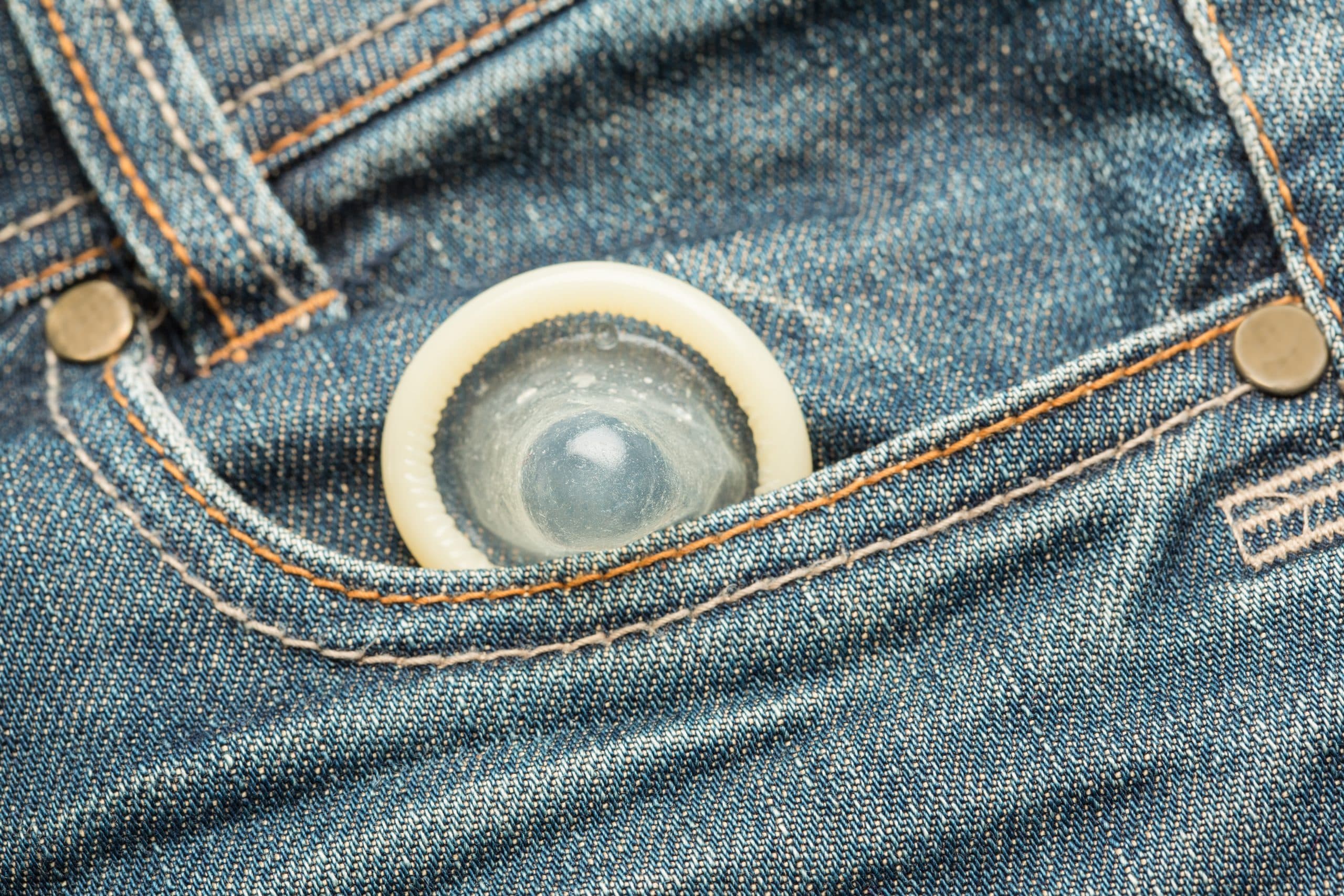
Emergency: condom broke or unprotected sex?
Do not wait for symptoms. If you may have been exposed to HIV:
- Seek urgent medical assessment for HIV post-exposure prophylaxis (PEP) immediately.
- PEP should be started as soon as possible, ideally within 24 hours and no later than 72 hours after exposure.
- Do not wait for symptoms, or for the other person to get test results, before seeking assessment.
- If you are prescribed PEP, complete the full course and attend follow-up appointments as instructed.
Important: PrEP and doxy-PEP are not substitutes for HIV PEP after a potential exposure. If more than 72 hours have passed, still seek medical advice about testing and follow-up.
If you are in Kuala Lumpur, message the clinic on WhatsApp and say it is about PEP, so we treat it as urgent. You can read more on our HIV PrEP and PEP page.
1. Before you travel
- Understand your prescribed medicines and when to take them.
- Confirm whether your PrEP regimen covers your planned activities, and when protection is expected to be established.
- Do not assume that starting PrEP immediately before travel gives immediate protection.
- Carry medicines in their original labelled packaging, together with the prescription or a doctor's letter.
- Check the rules for bringing your medicines into your destination country.
- Consider baseline HIV and STI screening, and review whether hepatitis A, hepatitis B or HPV vaccination is appropriate.
A baseline STD screen before you leave also gives you a clear result to compare against when you come home.
2. During sexual activity
- Use a new condom correctly for every sexual act, including oral, vaginal or anal sex where appropriate.
- Use a compatible water-based or silicone-based lubricant to reduce friction and the risk of the condom breaking.
- If you or your partner have worrying symptoms, avoid sex until you have had medical advice.
- Condoms reduce risk but do not remove every STI risk.
- PrEP protects against HIV when used correctly, but it does not prevent syphilis, gonorrhoea, chlamydia or other non-HIV STIs.
3. Understanding your prevention medicines
PrEP: before possible HIV exposure
PrEP is medication taken to prevent HIV before an exposure. It must be prescribed after appropriate HIV testing and clinical assessment.
- Take it according to your prescribed regimen.
- Do not start, stop or change your regimen without medical advice.
- Follow the recommended HIV testing and monitoring schedule.
- If you have a possible HIV exposure despite taking PrEP, seek urgent assessment.
Doxy-PEP: after sexual activity
Doxy-PEP is doxycycline prescribed for use after sex, to reduce the risk of certain bacterial STIs in selected patients.
- Use it only if your doctor has prescribed it and explained whether it is appropriate for you.
- Follow your individual prescription and written instructions.
- It does not prevent HIV, herpes, HPV or every bacterial STI.
- It is not a treatment for an STI that has already developed.
- It can cause side effects, including stomach upset, irritation of the oesophagus and increased sensitivity to sunlight. Antibiotic resistance is also a concern.
Doxy-PEP is not suitable for everyone. The evidence differs between populations, so discuss its benefits and risks with your doctor.
4. If you develop symptoms
Seek medical assessment if you notice:
- Unusual discharge from the penis, vagina or rectum
- Pain or burning when urinating
- Genital sores, blisters, ulcers or a rash
- Testicular pain or swelling
- Rectal pain, discharge or bleeding
- Fever or other unexplained symptoms after a possible exposure
Some STIs cause no symptoms. Feeling well does not rule out infection.
Do not self-treat with leftover antibiotics. Different infections need different tests and treatments.
5. After returning home
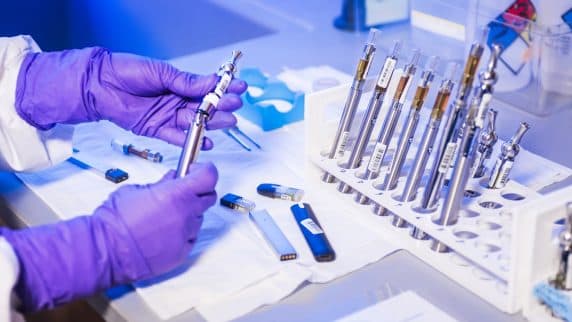
Arrange STI screening based on the type and timing of the exposure. Your doctor may recommend:
- HIV testing
- Syphilis blood testing
- Gonorrhoea and chlamydia testing at the sites that were exposed
- Hepatitis testing where indicated
Some infections cannot be detected immediately after exposure. Your doctor will advise whether, and when, repeat testing is needed.
Complete any prescribed prevention regimen and attend your follow-up appointments.
6. Frequently asked questions
Does PrEP prevent all STIs?
No. PrEP is for HIV prevention. Condoms, regular testing and other prevention measures remain important.
Does doxy-PEP mean I do not need condoms?
No. It does not prevent every STI, and its benefits and limitations depend on the individual.
Can I take doxy-PEP whenever I want?
No. Use it only according to your doctor's prescription and instructions.
What if a condom breaks while I am taking PrEP?
Seek urgent medical advice if there may have been an HIV exposure. A doctor should assess your adherence, your regimen and the exposure, and decide whether more is needed.
What if I have no symptoms?
You may still have an STI. Follow the recommended screening schedule even if you feel well.
Chye Clinic, Kepong Baru
Need medical advice?
Confidential advice, STI screening, PrEP and PEP, and follow-up after a trip. Pick what fits and the message is written for you.
- Daily, 9:00am to 8:00pm
- Walk in, no appointment needed
- Confidential, same doctors every visit
We can review your PrEP, arrange a baseline screen and check whether any vaccinations are due before you leave.
Your messageHi, I'm travelling soon and would like advice on PrEP and screening before I go.
Talk to our doctor nowOpens WhatsApp with your message ready to send, and you can edit it first. Nothing is submitted from this page, and no name, number or appointment time is asked for here.
48, Jalan Lang Kuning, 52100 Kepong Baru, Kuala Lumpur. How to find us
This page provides general educational information and does not replace individual medical assessment or your prescribed medication instructions. Seek urgent medical care for a possible HIV exposure.
HIV PrEP at Chye Clinic
PrEP is a daily tablet taken by people who are HIV-negative to keep it that way. Taken consistently, it reduces the risk of getting HIV from sex by around 99%. It needs a prescription, baseline tests, and a check-up every three months.